


Bridges fill the gaps left by missing teeth, whether lost through trauma, extraction or other means. They use the teeth either side of the gap as crucial support, known as abutments. Crowns are fitted to these teeth, with the replacement tooth acting as a bridge between them.
Book a consultation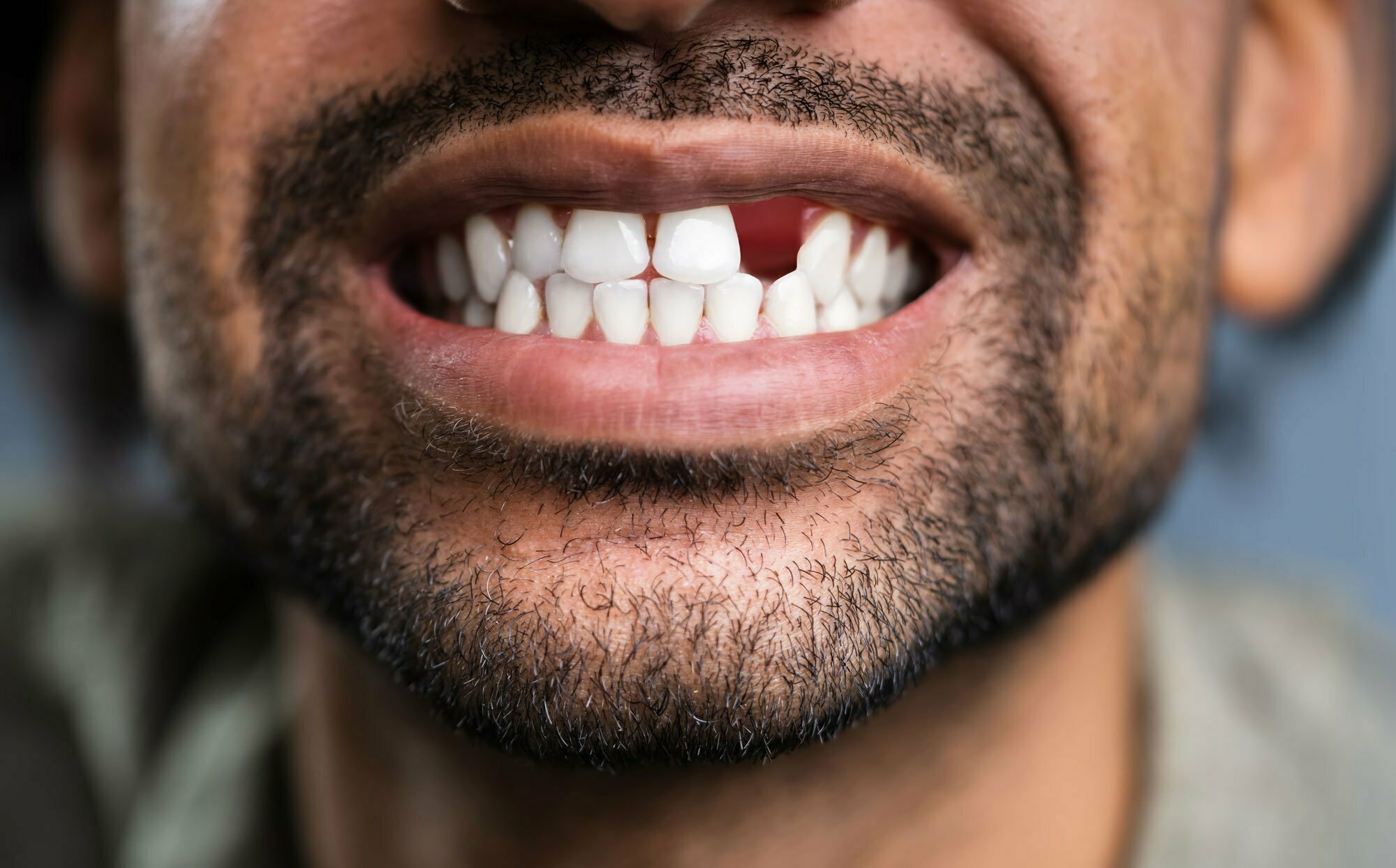
It is really important to replace missing teeth, and not only because having a large gap in your smile can affect your confidence. The additional space gives your remaining teeth the potential to move out of their natural positions, causing alignment issues. Bridges are an effective and natural looking solution, and can be used as a more secure fixed alternative to partial dentures, staying firmly in place as you eat and speak.
Book a consultationAt your initial appointment, we start by checking your teeth and gums are healthy and strong, and the abutment teeth will provide a solid foundation. We then prepare these supporting teeth for crowns by removing a layer of enamel.
We take digital images and impressions so your bridge can be accurately custom made in a dental laboratory. To protect your teeth during this time, we fit you with a temporary bridge.
Once it is ready, we check your bridge is comfortable and fits perfectly, making adjustments if needed. When you are happy with how it looks and feels, we use dental cement to firmly fix it into place.
The best way to look after your bridge is to keep up with a regular oral hygiene routine at home. Make sure you brush twice a day, using interdental tools if advised by your dentist. It is also important to attend your routine examination appointments so your dentist can keep an eye on your bridge and ensure it remains problem-free.
If looked after properly, bridges can last for over ten years. You will need to ensure you are keeping your natural teeth healthy and strong, especially the ones being used to support your bridge.
Bridges are usually made from porcelain or ceramic material, which give a very natural looking finish. This is often fixed to a metal base for increased strength and durability.
The cost of a bridge can vary depending on several factors, including the number of teeth being replaced, the complexity of the placement, and the material selected (such as high-quality porcelain or zirconia). During your initial consultation, we will provide you with a bespoke treatment plan and a full, transparent breakdown of the costs involved before we begin.
Yes, dental bridges are available on the NHS, but only if they are deemed clinically necessary to restore the function of your mouth (for example, to enable you to chew properly). Bridges required purely for cosmetic reasons are not covered by the NHS.
If you are looking for highly aesthetic options - such as metal-free, all-ceramic bridges that are indistinguishable from natural teeth - these are available through our private treatment options.
We take great care to ensure your experience is as comfortable as possible. The procedure itself is not painful, as we use a local anaesthetic to numb the area completely while preparing the supporting teeth and taking impressions. You should feel no discomfort while we work. After the anaesthetic wears off, it is normal to experience some mild sensitivity or tenderness around the gum line for a few days, but this usually subsides quickly and can be easily managed with over-the-counter pain relief.
We are happy to help answer your questions or discuss your treatment options - please get in touch.


